ChatGPT Memory Reinvented: Inside OpenAI’s Dreaming V3

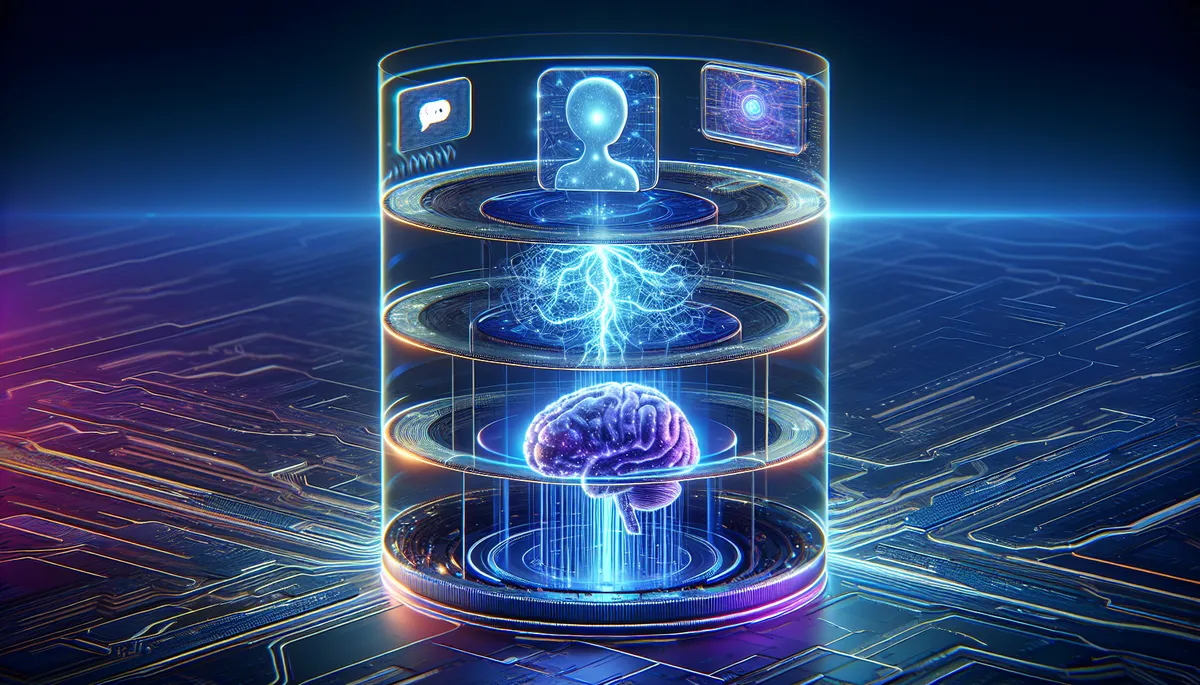
OpenAI’s Dreaming V3 swaps ChatGPT’s saved-memory list for a background process that reads past chats and refreshes itself over time, hitting 82.8% recall. Read more »
OpenAI’s Dreaming V3 swaps ChatGPT’s saved-memory list for a background process that reads past chats and refreshes itself over time, hitting 82.8% recall. Read more »

Ninety-nine percent text accuracy. That’s the number that tore through the last line designers counted on. OpenAI unveiled ChatGPT Images 2.0 in a livestream on April 21, 2026, and in a single prompt the model now handles the UI screenshots, infographics, manga, and slide decks human designers used to own. Read more »

One thousand and eighty-eight prompts. Five thousand three hundred and seventeen AI-executed commands. This AI hacking campaign extracted 150 gigabytes of government data from nine agencies across Mexico — executed by a single operator wielding nothing more than two commercially available AI coding tools. Read more »
“What’s the difference between an AI agent and a chatbot?” It is now the most common question in product meetings across the enterprise stack. Add LLM to the mix and the confusion doubles. Read more »

Two hundred and ninety-five percent. That is how sharply ChatGPT uninstalls surged in the days following OpenAI’s Pentagon deal announcement on February 28, 2026 — a number that turned a governance debate into a market-legible signal no executive team could ignore. The speed of the consumer reaction was remarkable not because it was irrational, but because it was precise: users were not reacting to vague fears about AI; they were responding to a specific contract, signed without clearly defined guardrails, that a competitor had already refused on principle. Read more »

When a single AI model clears 83% of professional knowledge work benchmarks spanning 44 occupations, the conversation shifts from “interesting research demo” to “boardroom-level urgency.” That is precisely where OpenAI positioned itself on March 5, 2026, when it dropped GPT-5.4 — a model that doesn’t merely answer questions faster but autonomously navigates desktops, drafts financial models, and hunts down needle-in-a-haystack data points with a persistence no human analyst is paid to replicate. The published numbers are blunt: desktop navigation success now surpasses measured human performance, factual error rates have fallen sharply, and the context window has ballooned to a scale that makes entire legal case files or quarterly earnings archives digestible in a single pass. Whether you’re an API developer, a hedge fund analyst, or a CTO mapping out your automation roadmap for the next 18 months, what launched this week materially changes the calculus. Read more »

Photo by JESHOOTS.COM on Unsplash A machine that learns, reasons, and communicates — not in a science fiction screenplay, but in your company’s finance department, your hospital’s radiology suite, and the legal discovery software your law firm subscribed to last quarter. That is the reality of artificial intelligence in 2026. For executives still treating AI … Read more